How Much Does a Garage Golf Simulator Cost?
A garage golf simulator can cost a few hundred dollars for a basic practice station, roughly $1,500–$8,000 for many useful home systems, or $10,000–$20,000+ for a premium finished room. The number that matters is the complete installed cost—not only the launch-monitor price.
Most useful garage golf simulators land between $1,500 and $8,000.
A basic mat-and-net practice station can start around $500–$1,500. A simulator-capable no-projector setup often falls around $1,500–$3,500. A screen, enclosure, projector, launch monitor, mat, and software commonly push the complete build into the $3,500–$8,000 range. Premium tracking, custom room work, computers, turf, AV, and professional installation can raise the total above $10,000–$20,000.
Before setting the budget, compare complete garage golf simulator setup paths and use the garage golf simulator dimensions guide to confirm that the room can support the launch monitor, swing, ball flight, net or screen, and projector plan.
Choose the version you are actually trying to build.
A practice station, no-projector simulator, projected bay, and premium room solve different problems. Comparing them as though they are the same product creates unrealistic budgets.
Mat, net, and basic feedback
$500–$1,500Useful for full swings, drills, speed work, contact practice, and building the room safely before buying simulator hardware.
Launch monitor without projection
$1,500–$3,500Uses a phone, tablet, laptop, monitor, or TV with a simulator-capable launch monitor, mat, net, and protection.
Screen, enclosure, and projector
$3,500–$8,000Adds a projected impact screen, stronger containment, mounting, wiring, and greater software or computer demands.
High-end tracking and finish work
$10K–$20K+Can include premium tracking, gaming PC, custom enclosure, turf, wall padding, lighting, climate control, AV, seating, and labor.
The best value is the setup that gets finished and used.
An unfinished premium room produces less practice than a safe mat-and-net station. Build the minimum complete version first, then upgrade only after the garage layout, launch monitor, software, and practice routine have proven themselves.
Calculate the complete installed cost before checkout.
Write down one number for every category
| Category | Your Planned Cost | Include |
|---|---|---|
| Launch monitor | $________ | Device, protective case, special balls, stand, alignment accessories |
| Mat and stance area | $________ | Hitting surface, stance platform, anti-slip base, replacement strip |
| Net, screen, or enclosure | $________ | Primary containment, side protection, ceiling protection, frame padding |
| Display or projector | $________ | Phone/tablet mount, TV, monitor, projector, ceiling mount, screen geometry |
| Computer and adapters | $________ | PC, laptop, streaming device, HDMI, USB, network hardware, power |
| Software and first-year plans | $________ | Memberships, courses, simulator apps, game-improvement features |
| Room preparation | $________ | Electrical, lighting, flooring, wall protection, storage, ventilation, labor |
| Tax, shipping, and contingency | $________ | Delivery, taxes, missing hardware, returns, 10%–15% contingency |
| Complete first-year total | $________ | Every line above—not only the hardware advertised as the “simulator” |
Free Measurement & Planning Worksheet
Build the budget around the room you actually have.
The cheapest way to avoid a costly do-over is to prove the room before buying equipment. The free worksheet helps connect your garage measurements to the launch monitor, containment, display, and upgrade path you should budget for.
- Room dimensions and finished hitting-surface height
- Launch-monitor placement and required depth
- Net, screen, enclosure, and protection space
- A planning record you can use before creating the shopping list
Enter your email to get the worksheet plus a short garage-planning email series. Unsubscribe anytime.
Representative products at different budget levels
These are example building blocks, not one package readers should buy together. Use the live Amazon prices to understand how the launch monitor, mat, containment, and projector choices change the complete budget.
Garmin or Rapsodo
Leaves more budget for the mat, net or enclosure, display, and protection.
SKYTRAK ST MAX
Uses more of the budget but provides current premium indoor tracking with compact beside-ball placement.
GoSports mat and net
Practical first-phase equipment that remains useful after later upgrades.
Enclosure and AH700ST
Creates the immersive experience but adds the most geometry, installation, and hidden costs.
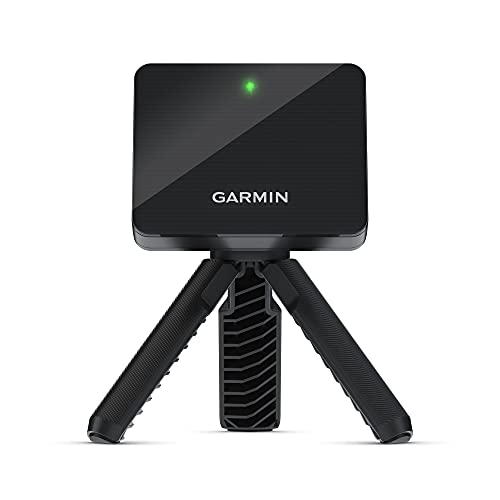
Our top starter pick for garage golfers with enough depth for a radar-based setup. It is portable, simulator-capable, and a strong value for mat-and-net practice without immediately building a premium simulator bay.
A strong choice for golfers who want app-based practice, video feedback, measured shot data, and simulator play. It combines Doppler radar with two cameras and works especially well for golfers who enjoy a mobile-first practice experience.

A premium indoor launch monitor that sits beside the ball, saving the space behind the golfer required by many radar systems. Combines photometric cameras and dual Doppler radar for detailed ball and club data.

A budget-friendly practice net for golfers building their first garage mat-and-net station. It is a practical starting point for basic indoor practice and portable launch-monitor use, but buyers should confirm the selected size and plan additional protection for side misses and high shots.

A practical starter mat for garage golfers who need a repeatable hitting surface without moving immediately into a premium mat. It works with nets, launch monitors, and basic simulator setups.

A premium hitting mat for golfers who practice frequently and want a more forgiving strike surface. It is best suited to serious garage simulator builds where comfort, durability, and joint protection matter more than the lowest price.

A complete golf simulator enclosure kit for buyers who want the frame, impact screen, side and top containment, and internal frame padding organized as one system. It is the strongest starting point for a dedicated projected garage bay, but the selected enclosure size and complete room footprint must be measured carefully.

A golf-specific 1080p laser short-throw projector designed for dedicated simulator bays. Its brightness, automatic screen-fit features, quick setup tools, and golf-oriented design make it a strong overall choice when ease of installation matters more than 4K resolution.

What each part of a garage golf simulator can cost
These are planning ranges rather than promises. The live product cards above show current examples, while premium launch monitors, computers, custom enclosures, and installation can push individual categories far above the entry range.
| Component | Planning Range | Required? | What Changes the Cost | Helpful Guide |
|---|---|---|---|---|
| Launch monitor | $500–$15,000+ | Required for simulation | Indoor technology, club data, software, accuracy, portability, premium hardware | Launch monitors |
| Golf mat | $150–$1,200+ | Required | Size, hitting strip, joint protection, stance area, replaceable sections | Golf mats |
| Practice net | $100–$700+ | One containment option | Width, height, depth, frame, shank nets, overhead protection, durability | Golf nets |
| Impact screen | $300–$1,500+ | Projected builds | Size, layers, image quality, durability, noise, mounting, replacement cost | Impact screens |
| Enclosure | $700–$3,000+ | Full bays | Frame size, screen, side/top containment, padding, custom installation | Enclosures |
| Projector | $500–$2,500+ | Optional | Brightness, resolution, laser vs lamp, throw ratio, zoom, screen size | Projectors |
| Computer/display | $0–$2,500+ | A display is required | Existing phone/tablet vs gaming PC, graphics card, TV/monitor, adapters | No-projector setups |
| Software and memberships | $0–$1,000+/year | Depends on goals | Practice tools, virtual courses, third-party apps, cloud features, annual plans | Software |
| Protection and room work | $100–$5,000+ | Safety is required | Walls, ceiling, flooring, lighting, electrical, climate, door hardware, labor | Build guide |
Separate one-time purchases from recurring costs.
Hardware and installation
- Launch monitor and protective case
- Mat, stance platform, net, screen, or enclosure
- Projector, display, computer, mounts, cables, and adapters
- Lighting, electrical work, wall padding, flooring, turf, and storage
- Shipping, tax, installation labor, and initial room preparation
Annual ownership and wear items
- Launch-monitor memberships and simulator software
- Virtual-course access and third-party application plans
- Hitting strips, nets, screens, tees, balls, turf, and padding
- Projector maintenance or eventual replacement
- Heating, cooling, electricity, internet, and equipment upgrades
Realistic garage simulator plans at five budget levels
| Target Budget | Realistic Build | Display | Main Tradeoff | Next Guide |
|---|---|---|---|---|
| $500–$1,000 | Mat, net, protection, alignment tools, and optional basic practice monitor | Phone or built-in device display | May not include true simulator software | Under-$1,000 build |
| $1,500–$3,000 | Simulator-capable value monitor, mat, net, side protection, and existing device | Phone, tablet, laptop, monitor, or TV | No impact-screen image or premium room finish | No-projector guide |
| $3,500–$5,000 | Value monitor with quality mat and screen/enclosure, or premium monitor with net/TV | TV or entry/full projector path | Must balance tracking, visual immersion, and mat quality | Under-$5,000 build |
| $5,000–$10,000 | Complete projected bay with stronger tracking, enclosure, mat, software, and computer | Short-throw projector and impact screen | Installation, software, and finish work can still exceed plan | Flagship simulator guide |
| $10,000–$20,000+ | Premium monitor, custom or polished bay, PC, AV, turf, lighting, protection, and labor | Premium projector or AV system | Higher spending does not fix poor room fit | Dimensions guide |
Where to spend and where to delay
Protect the golfer, room, and repeatability
- Safe net, screen, side, and ceiling containment
- Mat that stays stable and supports frequent practice
- Launch monitor that fits the actual room and software goals
- Correct electrical, cable, and mounting plan
- Protection for cars, doors, windows, drywall, people, and storage
Visual and cosmetic upgrades
- Use an existing phone, tablet, laptop, monitor, or TV
- Start with a net before a projected impact screen
- Delay premium turf, seating, AV, cabinetry, and décor
- Choose a value mat when the premium version breaks the complete budget
- Add courses and memberships after the core practice system is used consistently
Cost ranges are based on complete systems, not headline prices.
Golf Garage Guide does not claim hands-on product testing unless it has actually occurred. This guide uses current manufacturer documentation, live Lasso/Amazon examples, room and placement requirements, component compatibility, software and membership costs, safety needs, installation work, replacement items, and practical upgrade paths.
Related garage golf guides
Use these guides to move from a rough cost estimate to a room-specific shopping plan.
Garage golf simulator cost FAQs
What is the cheapest useful garage golf setup?
A stable mat, strong net, side protection, and basic training tools can create a useful practice station. It becomes a simulator when a compatible launch monitor and display or simulator software are added.
Can I build a garage golf simulator for under $1,000?
Sometimes, when current prices allow a value launch monitor, mat, and net to stay under the target. More often, an under-$1,000 build is a practice station or requires equipment the golfer already owns. Never remove necessary ball containment to preserve the headline budget.
Can I build a good simulator for under $5,000?
Yes. A useful under-$5,000 build can prioritize a value monitor and projected enclosure, or premium tracking with a net or TV. The complete total must also include software, computer or display, protection, tax, shipping, cables, and mounting.
What is usually the most expensive component?
The launch monitor is often the largest single item. In a complete bay, the enclosure, impact screen, projector, gaming computer, software, electrical work, flooring, and room finishing can collectively cost more than the monitor.
Do I need a projector?
No. A phone, tablet, laptop, monitor, or TV can display shot data and simulator software. Projection is an immersive upgrade that should be added only after the screen size, aspect ratio, throw distance, mount location, and shadow path are confirmed.
How much does simulator software cost?
Cost varies by launch monitor and desired features. Some basic practice tools are included, while advanced game-improvement tools, virtual courses, third-party software, or premium memberships may require recurring payments.
Is a garage golf simulator worth the money?
It can be when the room is safe, the setup is convenient, and it is used consistently. A smaller completed system generally provides more value than an ambitious room that remains unfinished or uncomfortable.
Manufacturer references used for product and room checks
- Garmin Approach R10 indoor minimum space and placement
- Rapsodo MLM2PRO indoor placement guidance
- SKYTRAK ST MAX technology, hitting zone, ball and club data, and system details
- Current SKYTRAK membership information
- GoSports 10 × 7 portable golf-net details
- GoSports Elite 5 × 4 ft, 15 mm hitting-mat details
- GoSports 10 × 8 enclosure dimensions and included features
- BenQ AH700ST official specifications
- SIGPRO Softy 4 × 10 mat details
Budget the complete first version—not the dream room.
Start with the safest useful system you can finish now. Measure the garage, choose the launch-monitor placement, fund the mat and containment, use an existing display when possible, and add projection, premium turf, AV, and finish work after the setup proves itself.